
Children's Eye Exams
Kids Eye Exams in Lincoln
Setting Your Child Up For Success
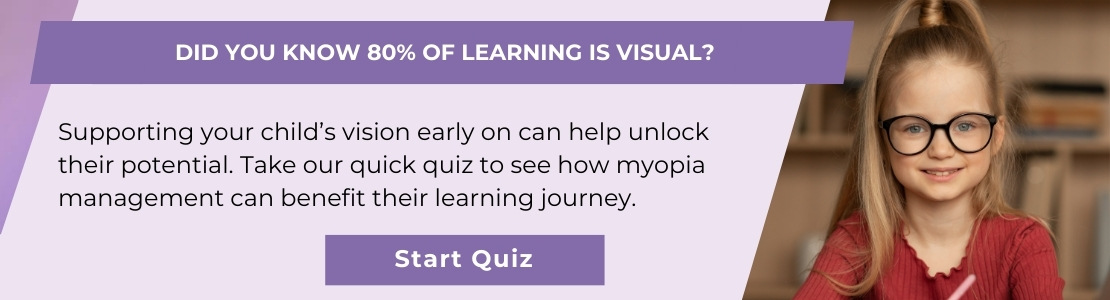
According to the American Optometric Association, up to 80% of a child’s learning in school is through vision. Good vision and healthy physical development in children go hand-in-hand, so it’s essential to monitor your child’s ocular health from an early age. Equal input from both eyes help your child’s brain develop normally, and a comprehensive eye exam can identify specific problems that may inhibit your child’s vision.
Early detection of certain eye conditions and diseases allows for prompt treatment and maximum chance of recovery.
When to Have Your Child’s Eyes Examined
Your child should have their eyes examined multiple times during their early childhood to ensure proper development of their visual system.
Newborn & Infancy
Shortly after your child is born, have your optometrist or family health professional perform a red reflex test on their eyes. If there are signs of abnormalities, or your child is considered “high-risk,” a comprehensive exam should be performed.
Have your child’s vision and overall health examined between the age of 6 months and their first birthday.
Preschool
When your child is around 3 years old, have your optometrist examine their visual acuity and eye alignment, and administer proper treatment if necessary. When your child is old enough to respond to an exam using a standard letter chart, have their vision tested for refractive errors.
At this point, having your child’s eye alignment assessed can identify early signs of focusing problems. Common issues include misaligned eyes (strabismus) and “lazy eye” (amblyopia).
School Age
As your child enters school, continue to have their eye health and vision regularly evaluated to monitor their development. Refractive errors, such as nearsightedness (myopia) or farsightedness (hyperopia) can hinder your child’s performance in school, and early detection can slow the progression of myopia.
At Signature Eye Care, we dedicate ourselves to providing a warm and welcoming environment for you and your family. Please don’t hesitate to contact us if you have any questions.
Quick Links
Helpful Articles
All Eye Care Services
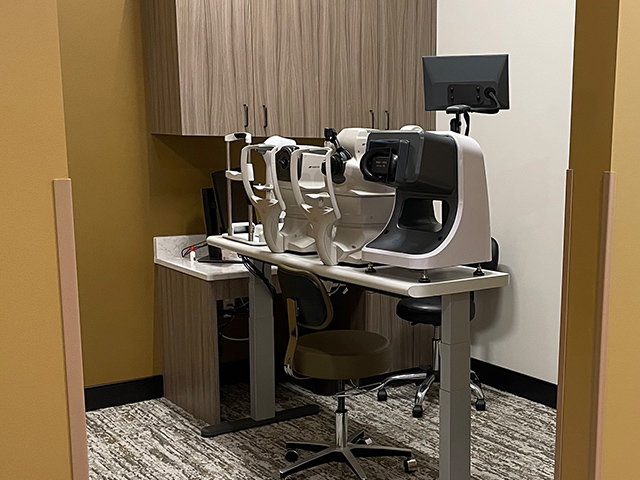
Find personalized eye care excellence with our comprehensive services. From eye exams to advanced diagnostics, trust us for all your vision needs.
Keep In Touch
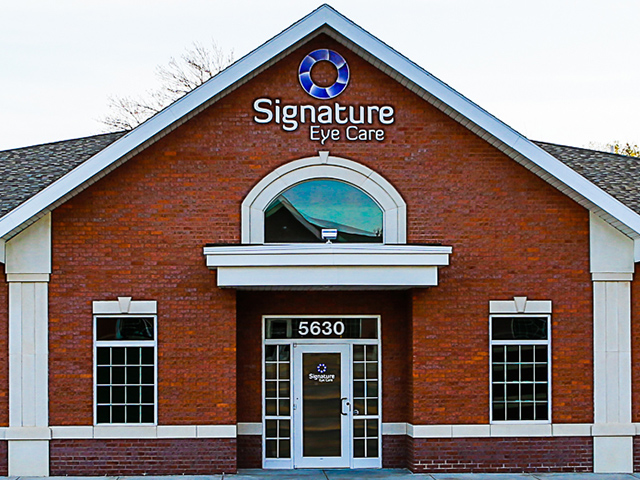
For non-urgent questions or to learn more about our services, contact us today!
Quick Links
Our Services
Contact Info
Hours of Operation
- Monday 8 AM – 5 PM
- Tuesday 10 AM – 7 PM
- Wednesday 10 AM – 5 PM
- Thursday 10 AM – 7 PM
- Friday 8 AM – 5 PM
- Saturday Closed
- Sunday Closed
- Monday
- Tuesday
- Wednesday
- Thursday
- Friday
- Saturday
- Sunday
- Monday
- Tuesday
- Wednesday
- Thursday
- Friday
- Saturday
- Sunday
© 2026 Signature Eye Care. All rights Reserved -
Accessibility Statement
-
Privacy Policy
-
Sitemap
Managed and Designed by 