
Myopia Control in Lincoln
Helping Preserve Your Vision
Myopia, or nearsightedness, is a refractive error in which your eyes have trouble focusing on objects that are far away. Myopia is a common condition that affects around 25% of Americans, and is considered an eye focusing disorder rather than an eye disease.
Myopia is often inherited, so children of parents with myopia will likely have it as well. Taking your child for a comprehensive eye exam can help to identify early signs of myopia, allowing for prompt treatment. Myopia often begins to occur between the ages of 8 and 12, worsening as a child ages. However, myopia can occur in adults at any time.
Causes & Diagnosis
Typically, the cornea and lens refract light to focus on the retina, which forms the images we see. If the eye is longer than normal, or has a steep cornea, the light will focus in front of the retina rather than on it. This is what makes objects at a distance appear blurred.
As part of a typical exam, we will use a standard letter chart and phoropter to assess your myopia. To determine the cause of your myopia, we will use a retinoscope to reflect light off of your retina. This test will help to determine if you are nearsighted or farsighted.
Treating Myopia
Although you cannot reverse the effects of myopia, there are various correction methods to provide you with clear vision. Eyeglasses and contact lenses are very effective at improving visual acuity.
If myopia is diagnosed at a young age, specific treatment methods can help to slow the progression.
Gentle Vision Shaping
Gentle Vision Shaping (Orthokeratology or OrthoK), is a specialized treatment using vision retainer rigid gas-permeable contact lenses to gently and slowly reshape the front surface of the eye (cornea). The principle is similar to the use of a dental retainer used by an orthodontist to realign crooked teeth. The retainers are worn overnight and allow clear vision during the day without the use of glasses or contact lenses.
Consistent wear can help to correct vision and slow the progression of myopia.
Specialty Contact Lenses
Additional to Gentle Vision Shaping, we proudly offer CooperVision lenses to help manage the progression of myopia. MiSight 1 day lenses are dual-vision soft contacts that work in a similar way that bifocals inhibit myopia progression.
If you are interested in myopia control, please book an appointment and allow us to best evaluate your situation.
Essilor Stellest Lenses for Myopia Control
Essilor Stellest lenses are a myopia management option designed to help slow the progression of nearsightedness in children while providing clear, comfortable vision. Using innovative H.A.L.T. (Highly Aspherical Lenslet Target) technology, Stellest lenses help reduce eye elongation, one of the key factors linked to worsening myopia.
Clinical studies have shown that Stellest lenses can help slow myopia progression by 67% on average when worn as recommended. Designed to look and feel like regular eyeglasses, they offer a simple, noninvasive option for children and families exploring long-term myopia management.
Quick Links
Helpful Articles
All Eye Care Services
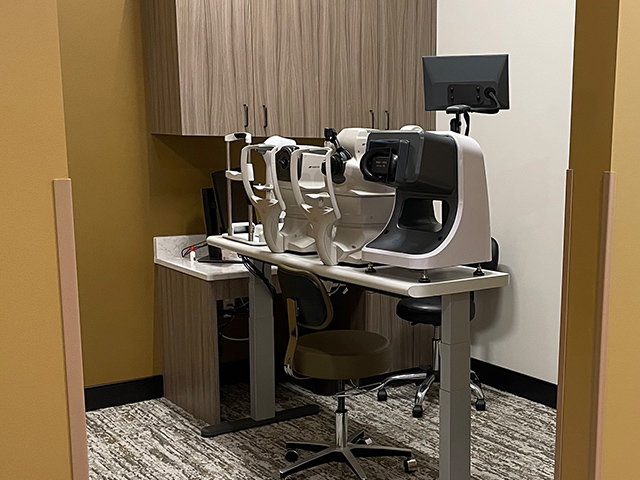
Find personalized eye care excellence with our comprehensive services. From eye exams to advanced diagnostics, trust us for all your vision needs.
Keep In Touch
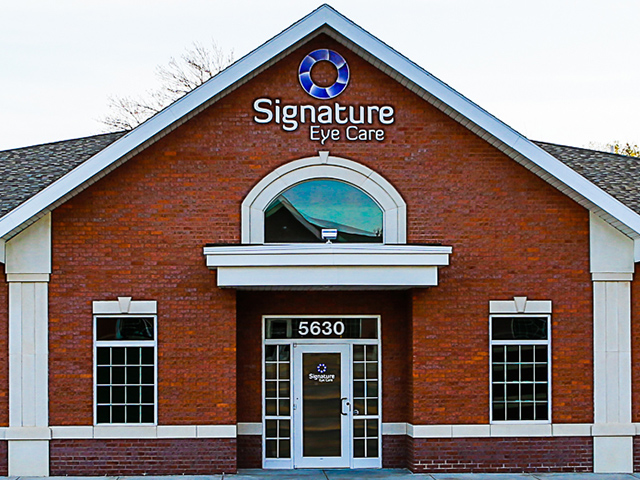
For non-urgent questions or to learn more about our services, contact us today!
Quick Links
Our Services
Contact Info
Hours of Operation
- Monday 8 AM – 5 PM
- Tuesday 10 AM – 7 PM
- Wednesday 10 AM – 5 PM
- Thursday 10 AM – 7 PM
- Friday 8 AM – 5 PM
- Saturday Closed
- Sunday Closed
- Monday
- Tuesday
- Wednesday
- Thursday
- Friday
- Saturday
- Sunday
- Monday
- Tuesday
- Wednesday
- Thursday
- Friday
- Saturday
- Sunday
© 2026 Signature Eye Care. All rights Reserved -
Accessibility Statement
-
Privacy Policy
-
Sitemap
Managed and Designed by 